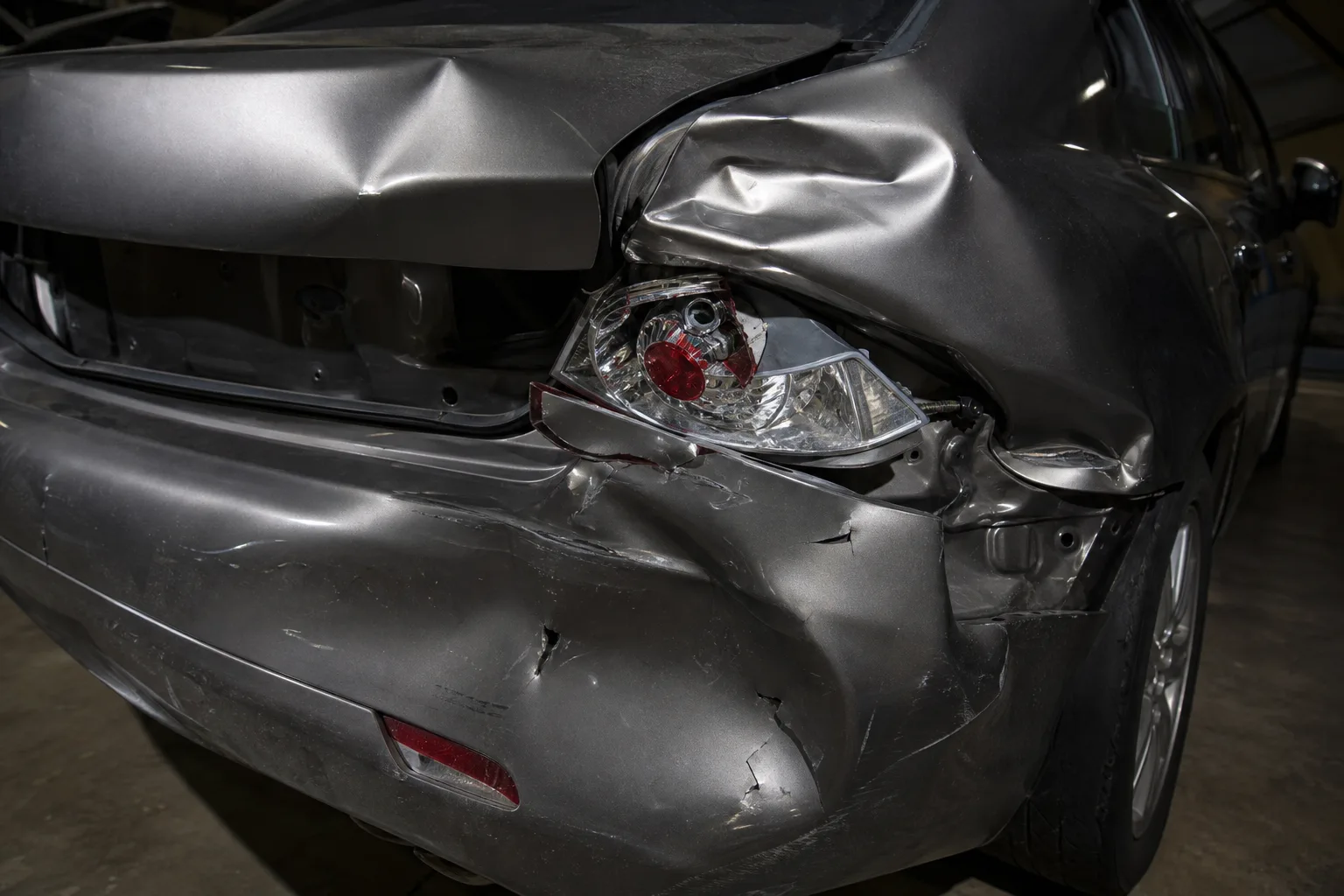
One rear-end collision, one claim followed all the way from the first phone call to the signed release, written up so the next person can see the shape of it. Nothing here is legal advice, and state rules vary widely.
The collision took four seconds. The billing took eleven months. A driver stopped at a light on a Tuesday afternoon was struck from behind by a pickup, walked away, drove home, and woke up the next morning unable to turn his head. The emergency room visit, the imaging, and eight weeks of physical therapy produced statements totaling several thousand dollars, all of them arriving long before the other driver's insurer had finished deciding whether it accepted fault. Those two clocks almost never run together, and the gap between them is where most people panic unnecessarily.
The at-fault insurer is rarely the first payer
Adjusters for the other driver do not pay medical bills as they come in. They pay once, at the end, in a single settlement that covers everything: treatment, lost wages, and the harder-to-price part usually called pain and suffering. Even in a rear-end case where liability looks obvious, the carrier will take weeks to obtain the police report, a recorded statement, and photographs of both vehicles, and it will not release money until it has a complete picture of the treatment. So the practical question is not who is at fault. It is which coverage stands in the gap meanwhile.
What no-fault and PIP actually change
In roughly a dozen states, personal injury protection pays your own medical bills regardless of who caused the crash, up to the limit on your policy, and it pays quickly because it is not waiting on a fault determination. Limits vary enormously by state and by what the policyholder selected, from a few thousand dollars to unlimited lifetime medical in one or two jurisdictions. Some states also require a deductible or pay only a percentage of billed charges. In an at-fault state there is no equivalent mandatory coverage, which is precisely why the next two paragraphs matter more there.
Med-pay, the small coverage most people forget they bought
Medical payments coverage sits on the auto policy in most at-fault states as an optional add-on, typically written in increments from one thousand to ten thousand dollars, and it costs so little annually that many people carry it without remembering. It pays your treatment regardless of fault, it has no deductible in most forms, and it applies to passengers as well as the named insured. Pull the declarations page, not the summary letter, and look for a line reading medical payments or MedPay with a per-person limit beside it. That single line is often the fastest cash available in the first sixty days.
Health insurance as the interim payer
Group health coverage, a marketplace plan, Medicare, or Medicaid will generally pay collision-related treatment while liability is unresolved, and providers should be given the card at intake rather than being told to bill the auto claim. Two things follow. Contracted rates apply, so a bill of nine thousand dollars may be adjusted to three thousand, which shrinks the medical specials the settlement later has to cover. And the health plan acquires a right of reimbursement, a lien in ordinary speech, which is repaid from the settlement. Both effects are normal, and both are negotiable at the end.
What a careful reader checks first
Check the declarations page for PIP or med-pay limits before assuming there is nothing. Check whether the state requires PIP to be exhausted before health insurance pays, since the coordination order differs and paying out of sequence creates months of rebilling. Check every provider statement for the phrase patient responsibility and for any indication the office is holding the bill against a future settlement, which some clinics do on a letter of protection and which quietly turns a three thousand dollar bill into a nine thousand dollar one. Keep an eye on collections notices; the Consumer Financial Protection Bureau oversees how medical debt is reported and disputed, and an unpaid balance sitting in a billing queue is worth a phone call rather than silence.
The months before liability is accepted
In the rear-end case above, PIP was unavailable, med-pay covered two thousand dollars, health insurance absorbed the rest at contracted rates, and the at-fault carrier accepted liability in month five, ten weeks after treatment ended. Nothing about that sequence was unusual. The bills were paid on time by three different payers, and the settlement, when it came, reimbursed two of them and left the balance to the injured driver. Anyone tracking their own claim can build the same order of operations on a single sheet of paper.
The bills do not wait for the adjusters, and they were never supposed to. Knowing which card to hand the front desk, and which line on the declarations page to read, is most of the work.